NBA Overtime Rules and Sportsbook Settlement Terms
 Available in US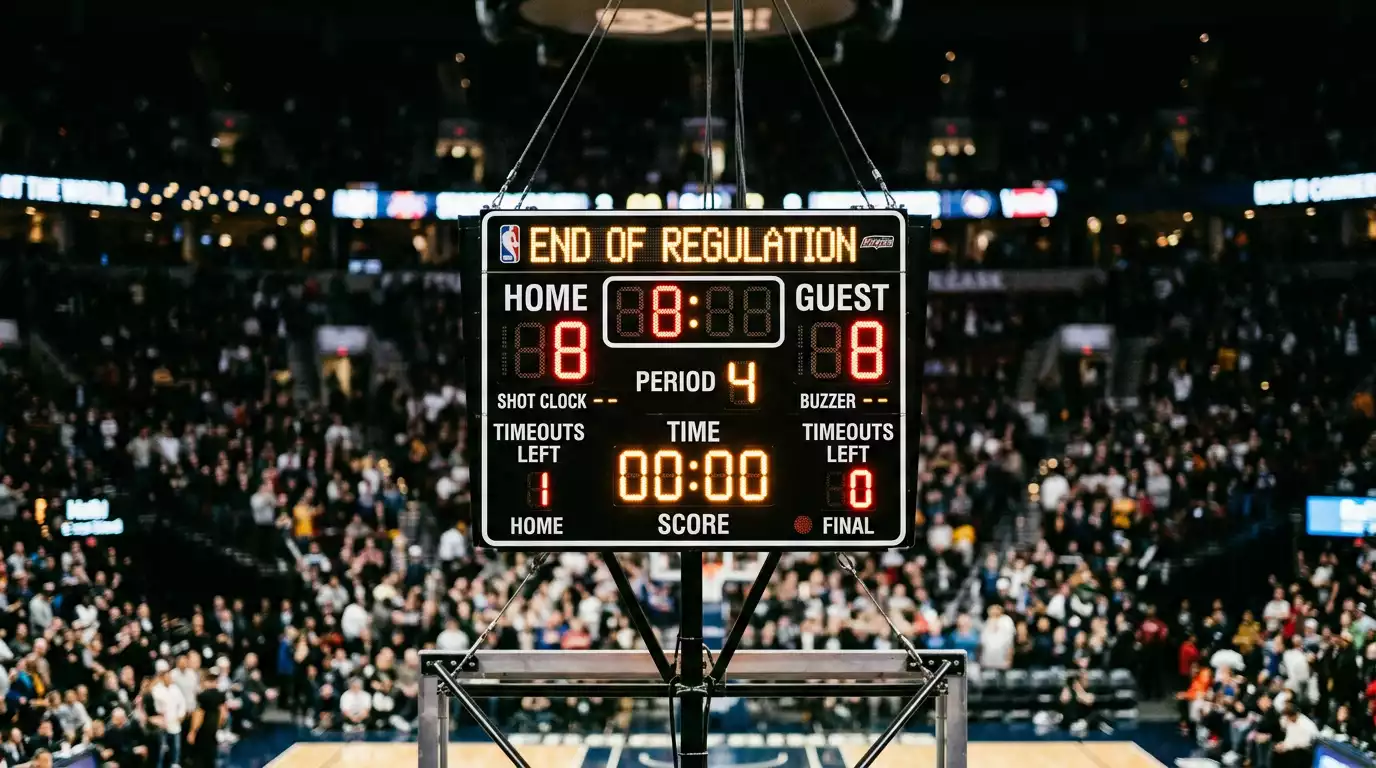
NBA Overtime Settlements: Rule Checks for Spreads, Totals, and Player Props
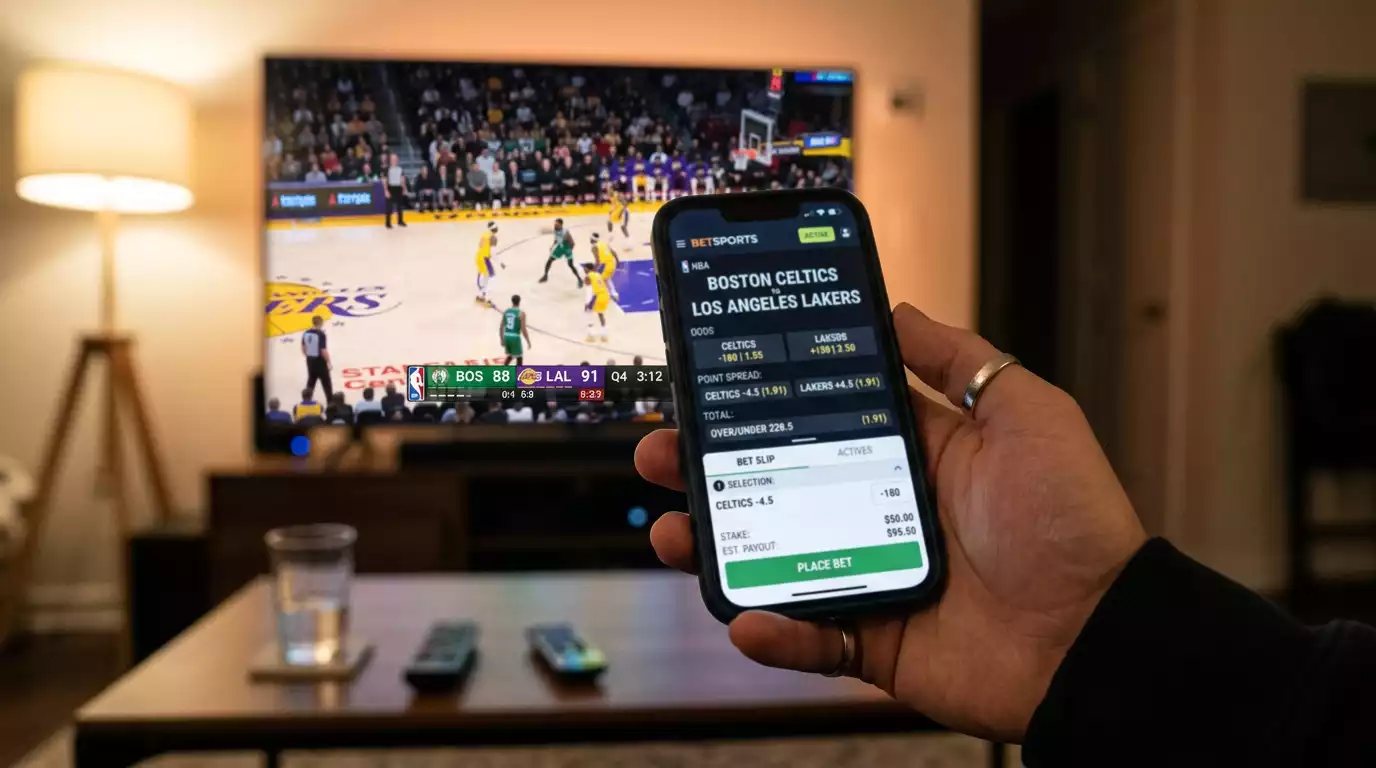
A few seasons back, I had a Lakers spread bet that was comfortably covering with thirty seconds left in regulation. Then the opposing team hit a three to force overtime. The Lakers won the game by six — but my spread bet, which was set at minus 3.5, had been priced on a regulation-time basis by one operator and including overtime by another. I lost on one slip and won on the other. Same game. Same bet type. Different settlement rules. That was an expensive lesson in reading the small print.
Unlike football, the NBA cannot end in a draw. If the score is level after 48 minutes of regulation, the teams play a five-minute overtime period — and keep playing additional five-minute periods until someone leads at the buzzer. That sounds simple enough, but the betting implications are anything but. Some markets include overtime in settlement. Others settle strictly at regulation. A few vary between operators. If you do not know which category your bet falls into, you are gambling on the rules as much as the game.
An analysis of 2,295 NBA games over ten seasons found that 19% of contests are effectively decided in the fourth quarter, entering Q4 with a margin of fewer than ten points. Games that tight have a real chance of reaching overtime — and when they do, your bet settlement depends entirely on which market you chose and which operator you placed it with.
Markets That Include Overtime in Settlement
The most common NBA bet types all include overtime in their settlement. Moneyline bets — picking the outright winner — always include overtime because the NBA must produce a winner. There is no draw option, so overtime is simply part of the path to a result. Your moneyline bet is live until the final buzzer, whether that comes after 48 minutes or 63.
Point spread bets also include overtime at the vast majority of UK sportsbooks. If you back a team at minus 4.5 and they win by five after an overtime period, your bet wins. The spread is calculated on the final score, not the regulation score. This is standard across UKGC-licensed operators, though I always recommend confirming in the sportsbook’s settlement rules — particularly if you are using a smaller or newer platform.
Full-game totals — over/under on combined points — include overtime as well. And this is where things get interesting for bettors, because an extra five minutes of play can add 15 to 25 points to the final score. A total set at 220.5 that looked comfortably under at the end of regulation can sail over after ten minutes of additional basketball. The total was priced assuming a 48-minute game, but it settles on a 53- or 58-minute one. That asymmetry creates both risk and opportunity, depending on which side you are on.
Same game parlays and accumulators that include moneyline, spread, or total legs inherit the overtime inclusion from those individual markets. If one leg of your multi-bet combination is a game total, overtime counts for that leg.
Markets That Settle at Regulation (48 Minutes)
Quarter and half markets settle at the end of their respective periods, completely unaffected by overtime. A first-quarter spread bet settles when the first quarter ends. A first-half total settles at half-time. These markets exist in their own time bubble and are immune to anything that happens afterwards, including overtime.
Fourth-quarter markets are the interesting edge case. A fourth-quarter total or spread settles at the end of the fourth quarter — which is the end of regulation — not at the end of overtime. This means a fourth-quarter over/under is genuinely a 12-minute market, even if the game goes on for another 15 minutes in overtime. For bettors who like the tactical specificity of quarter markets, this clarity is a feature, not a limitation.
Some sportsbooks also offer “regulation time” versions of standard markets — a moneyline that allows a draw option (typically priced at high odds) or a spread that settles at 48 minutes. These are niche markets, not always available, but they exist precisely because sharp bettors want to separate their view on the game from the lottery of overtime.
Player Props and Overtime: The Stat Inflation Trap
This is where overtime creates the most confusion — and the most unexpected outcomes. Player prop markets (points, rebounds, assists, three-pointers made) almost universally include overtime in their settlement. An extra five-minute period gives players additional opportunities to accumulate stats, which means a prop that was tracking under for the entire game can flip to over in overtime.
NBA Commissioner Adam Silver has publicly flagged prop bets as an integrity concern, noting how easy it is to manipulate small statistical outcomes — a couple of rebounds, a single assist — that seem inconsequential to the game but determine the settlement of a bet. Overtime amplifies this dynamic because it inflates the stat pool. A player who was sitting at 19 points after regulation (under 19.5) might score 6 in overtime and finish at 25. The over hits, but not because of any pregame analysis — because the game went long.
I treat overtime as an unmodelled variable when betting player props. My analysis prices the prop based on an expected 48-minute game. If overtime occurs, I accept the variance. What I do not do is adjust my target lines upward to “account for” potential overtime, because that introduces a bias toward overs that the sportsbook has already priced in. The correct response to overtime risk in props is position sizing, not line adjustment.
Double and Triple Overtime: Rare but Costly Scenarios
Double overtime occurs in roughly 1-2% of NBA games. Triple overtime is genuinely rare — a handful of times per season at most. But when it happens, the effect on betting markets is dramatic. A double-overtime game adds 10 minutes and potentially 40-50 additional points to the final score. Every full-game total bet, every player prop, every spread bet is now settling on a game that lasted 17-20% longer than the standard pricing model assumed.
The most exposed market in multi-overtime scenarios is the full-game total. An over/under set at 215.5 might be sitting at 200 combined points after regulation — a comfortable under. After double overtime, the final score is 248. That is a 48-point swing from the expected range, and it happens not because the model was wrong but because the game format extended beyond the model’s scope.
There is no way to hedge against double or triple overtime specifically. What you can do is understand which of your bets are exposed and size them accordingly. If you are betting a full-game total at a line you consider razor-thin, the overtime risk is asymmetric — overtime almost always pushes the total higher, which means the under carries more structural risk than the over in close games. That asymmetry is worth factoring into your decision.
Do NBA over/under totals include overtime points?
Yes. Full-game over/under totals at UK sportsbooks include all points scored in overtime periods. This means an extra five-minute period can add 15 to 25 points to the final combined score, significantly affecting whether the over or under hits. Quarter and half totals are not affected by overtime — they settle at the end of their respective periods.
How does overtime affect an NBA spread bet?
Spread bets include overtime in settlement at virtually all UKGC-licensed sportsbooks. The spread is calculated on the final score after all overtime periods, not on the regulation score. If you back a team at minus 3.5 and they win by four after overtime, your bet wins. This is standard across UK operators, though checking your sportsbook’s specific settlement rules is always advisable.
Are NBA quarter bets affected by overtime?
No. Quarter bets settle at the end of the relevant quarter. First-quarter, second-quarter, third-quarter, and fourth-quarter markets all settle independently of overtime. Even if the game extends to double or triple overtime, your fourth-quarter spread or total is calculated solely on the scoring within the 12-minute fourth quarter.
Prepared by the nba Sports bet editorial staff.