NBA Same Game Parlay Tactics and Multi-Leg Logic
 Available in US
NBA Same Game Parlays: Advanced Correlation Mathematics and Payout Odds
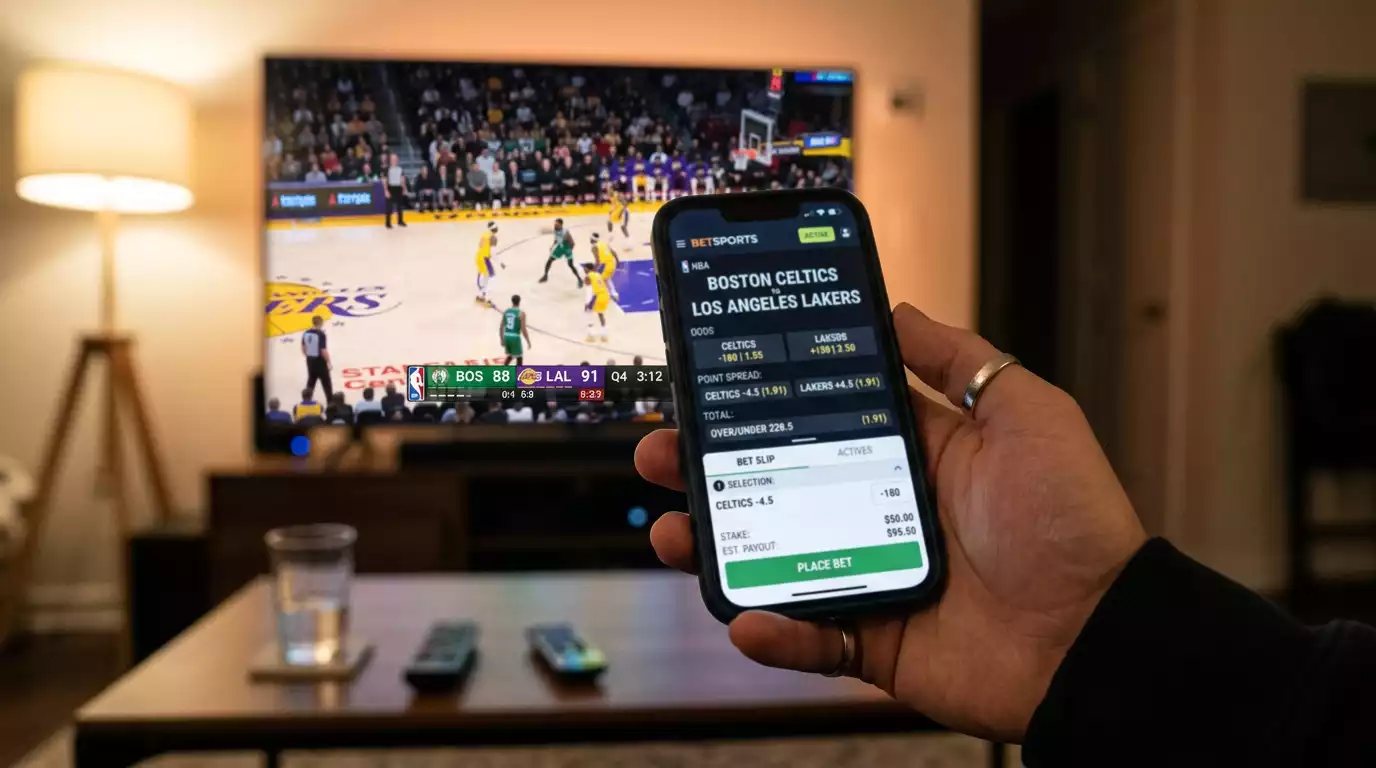
The first same game parlay I ever built looked brilliant on paper. I combined a moneyline favourite, the over on game total points, and a star player to score 25-plus. Three legs, all “obvious.” The combined odds came out at roughly 4.50. What I did not understand at the time was that those three selections were positively correlated — if the favourite wins comfortably, the game total is more likely to go over, and the star player is more likely to hit his points mark. The sportsbook had already priced that correlation into the combined odds. My “4.50” should have been closer to 3.20 if the legs were truly independent.
Same game parlays — called bet builders at most UK sportsbooks — have exploded in popularity because they feel personal. You are not just picking a winner; you are constructing a narrative about how the game will unfold. In-play wagers already account for over 62% of online sportsbook revenue, and bet builders are a major driver of that share. But the maths beneath the narrative is unforgiving, and the house edge on a poorly constructed SGP is significantly higher than on any single bet.
This piece is about building bet builders that reflect actual analytical thinking rather than wishful storytelling. If you want a broader look at individual player prop markets before combining them into multi-leg bets, start there.
Correlation Between Legs: What Sportsbooks Price In
Correlation is the concept that makes or breaks every same game parlay. Two bet legs are correlated when the outcome of one affects the probability of the other. In NBA betting, correlations are everywhere — and sportsbooks know it.
Positive correlation means both legs move in the same direction. If you back Team A on the moneyline and also take the over on total points, those legs are positively correlated in a game where Team A is expected to win by pushing the pace. The sportsbook adjusts the combined price downward to account for this overlap, reducing your effective odds. You are not getting paid for two independent events; you are getting paid for one event viewed from two angles.
Negative correlation works the other way. If you back the under on total points and also take a player to score over 28.5 points, those legs work against each other — a low-scoring game makes a massive individual output less likely. Sportsbooks handle this differently. Some refuse the combination. Others price it aggressively in their favour, offering odds that look generous but reflect a near-impossible joint probability.
The sharpest bet builders exploit weak correlations — combinations where the legs are either genuinely independent or where the sportsbook’s correlation adjustment is too aggressive. A player’s assist total, for instance, has a weak correlation with the game spread in many matchups. The sportsbook may still apply a standard correlation discount, but if you have done the analytical work to confirm independence, you are capturing value the pricing model gives away.
Choosing Legs: Points, Rebounds, and Game Lines
Last season I tracked 200 of my own bet builders across the NBA regular season. The ones that hit most consistently shared a pattern: they combined one game-level leg (spread or total) with one or two player legs where I had a specific analytical reason to expect an outlier performance. The ones that lost most consistently were the four- and five-leg combinations where I was essentially guessing at volume stats.
García et al. documented a shooting efficiency decline over the course of NBA games, with a measurable drop-off from the first quarter to the fourth driven by fatigue. That finding has direct implications for leg selection. If you are building a parlay around a player’s points total, consider whether the game script supports sustained minutes in the second half. A blowout in either direction pulls starters early and compresses the stat window. Your “over 22.5 points” leg dies not because the player underperformed, but because he sat out the entire fourth quarter.
Rebounds and assists are trickier than points for bet builders because they carry higher variance. A player might average 8.5 rebounds per game but post individual game totals ranging from 4 to 15. Adding a rebound leg to a parlay introduces noise that is difficult to model. Points and three-pointers made tend to be more stable night-to-night for high-usage players, making them more reliable parlay components.
My rule of thumb: two legs is the sweet spot for expected value. Three legs can work if the correlation analysis supports it. Four or more legs, and you are almost certainly paying more in combined margin than any edge you bring to the table.
Four Traps That Sink Most NBA Bet Builders
The first trap is stacking correlated overs. Backing the over on game total, the over on Team A’s points, and the over on a player’s points feels like three different bets. It is one bet wearing three hats, and the sportsbook prices it accordingly.
The second trap is chasing big odds. A six-leg parlay at 25.00 looks electric. The implied probability of hitting it is 4%, and the true probability — after accounting for the house edge on each leg — is often closer to 2%. You need to hit one in fifty to break even. Most recreational bettors will never build a sample large enough to realise that edge, even if it existed.
The third trap is ignoring game context. A player prop that makes sense in a regular-season Tuesday game against a bottom-five defence does not automatically carry into a nationally televised rivalry game where the opposing coach game-plans specifically to limit that player. Bet builders require game-specific analysis, not season-average assumptions.
The fourth trap is the sunk-cost leg. You have built a strong two-leg parlay, but the odds are only 2.80. So you add a third leg to push it past 4.00 — not because you have a view on that third market, but because the payout “needs” to be higher. That third leg is pure noise. It reduces your hit rate without improving your analytical edge. If 2.80 does not justify the stake, reduce the stake. Do not add legs to manufacture excitement.
When a Same Game Parlay Actually Adds Value
There are genuine situations where a bet builder is the optimal structure. The clearest one: when you have a strong view on game script that creates dependent outcomes the sportsbook underprices. If you believe a game will be a low-scoring, grind-it-out affair decided by defence, combining the under on total points with a player rebound over (more missed shots mean more rebound opportunities) exploits a logical dependency.
Another valid use case is hedging a conviction bet. If you are confident Team A wins but uncertain about the margin, combining Team A moneyline with a player prop on the opposing team’s best player (who will see extended minutes in a competitive game) creates a structure that pays regardless of whether the win is tight or comfortable.
The key test: can you articulate why each leg supports the others, or are you just combining selections that individually look good? If you cannot explain the connection in one sentence, the parlay does not have an analytical foundation.
Can I cash out an NBA same game parlay early?
Most UKGC-licensed sportsbooks offer cash-out functionality on same game parlays, but availability depends on the specific combination of legs and the stage of the game. Cash-out options are more commonly available before tip-off and during the early quarters. As the game progresses and individual legs settle, the cash-out offer may be withdrawn or adjusted significantly. Check your operator’s terms — some exclude certain prop-heavy combinations from cash-out eligibility entirely.
How many legs should an NBA bet builder have?
Two to three legs represents the optimal range for maintaining a reasonable hit rate while still generating meaningful combined odds. Each additional leg multiplies the house edge embedded in the parlay, so four-plus leg builders carry a substantially higher margin cost. The key is not the number of legs but the quality of the correlation analysis behind each combination. A well-researched two-leg builder will outperform a speculative five-leg one over any meaningful sample.
Written by the editors at nba Sports bet.